
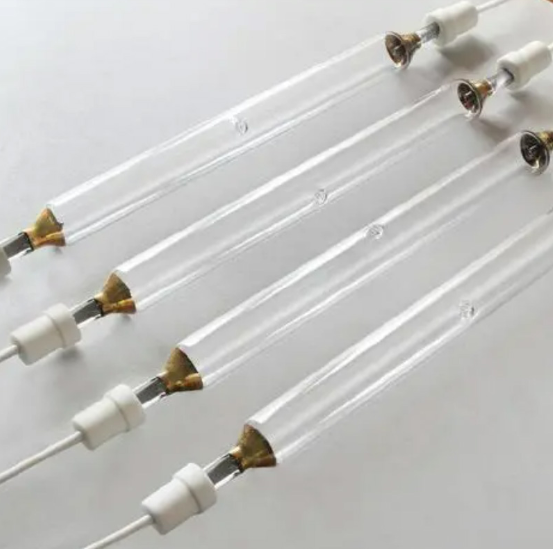
Rethinking How We Build UV Curing Systems
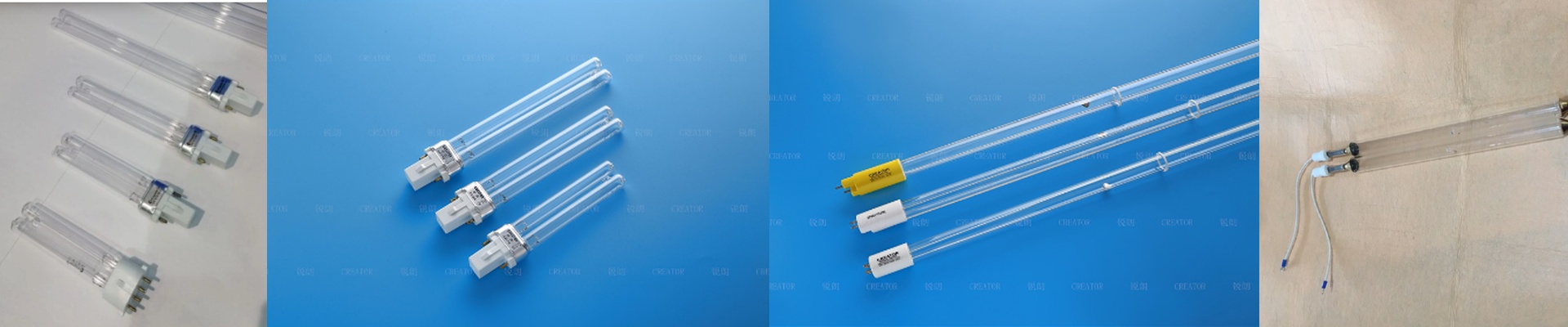
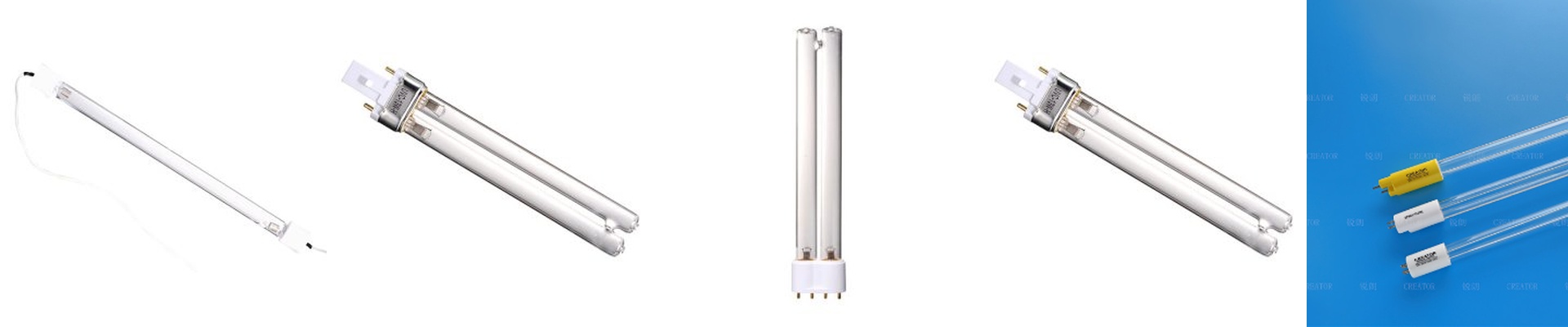
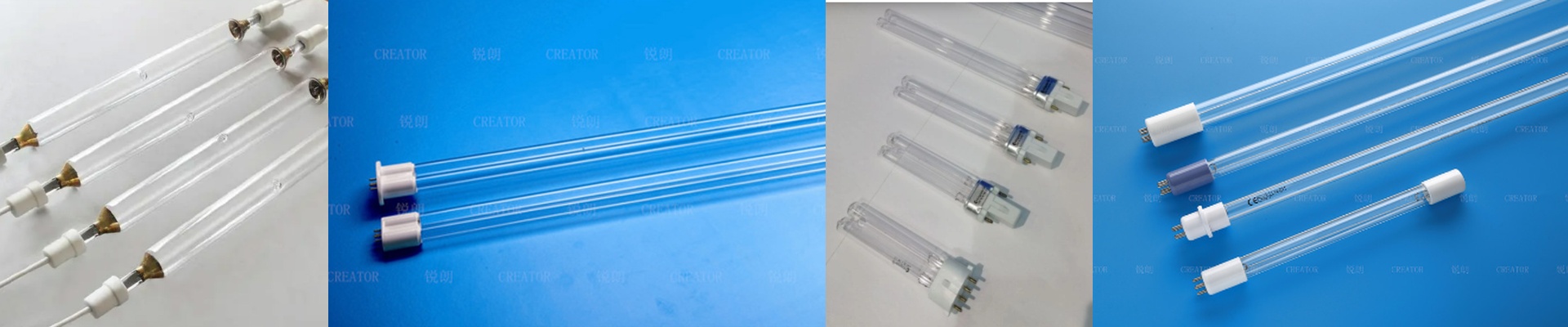
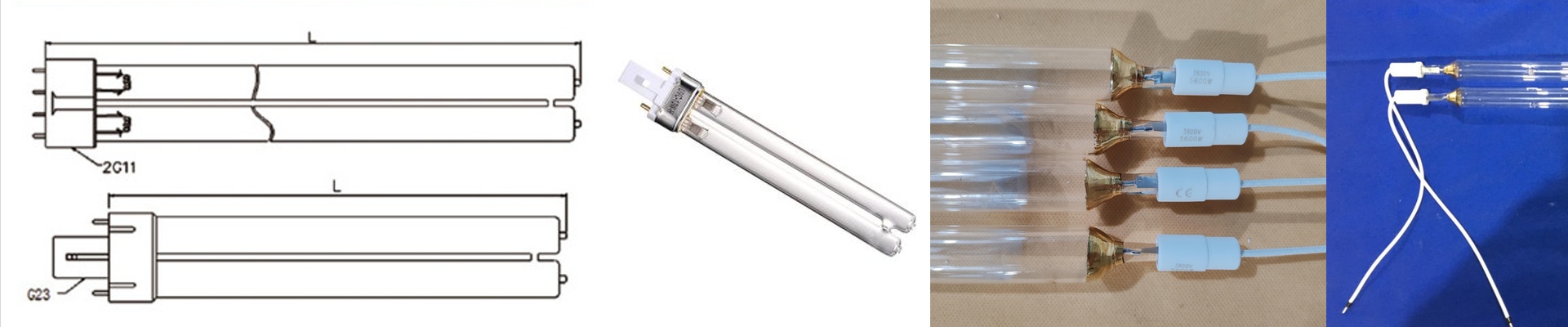
We’re changing the way we think about UV curing lamps. For too long, the industry has been stuck in this “set it and forget it” mindset. But that’s a recipe for downtime. We’re moving toward modular setups that actually tell you how much power they’re using while they’re running.
Why modular actually makes sense
Think about the old-school UV arrays. If one lamp dies, you’re often stuck replacing the entire bank. It’s a nightmare. We do things differently. We build these systems in modules. If a lamp goes out, you just swap that one unit and keep moving. No need to tear the whole rig apart. Plus, we’ve separated the power supply from the lamp head. This is the real win. If you decide to speed up your conveyor to hit a deadline, you don’t have to rebuild the machine. You just plug in more modules to bump up the wattage. Easy.
No more guessing when a bulb is dead
Now, let’s talk about monitoring. This isn’t about having a flashy dashboard to show off to the boss. It’s about knowing exactly when your bulb is giving up. UV lamps lose their punch over time. It happens. But instead of guessing or following a rigid calendar, we put sensors right at the module level to track current draw and power factor. When the energy profile starts to drift, you’ll know. You get a heads-up that the bulb is dyingbeforeyou start shipping product that isn’t fully cured. That saves you from a lot of expensive headaches.
The trade-offs (because nothing is perfect)
Of course, adding all these sensors means the control box is a bit bigger. Then there’s the noise. High-frequency ballasts create electromagnetic interference (EMI), which can make your data signals act glitchy. It’s a pain, but we handle it by shielding the monitoring cables. It keeps the signal clean and the data honest.
What this looks like on the floor
At the end of the day, you get a system that stops being a “black box.” You can see exactly where your power is going. Whether you’re checking your phone or looking at a central PLC, you’ll spot a failing lamp instantly. It turns a blind process into something you can actually measure. Just a heads-up: if you’re wiring up fifty of these modules across a massive factory floor, make sure your network can handle the chatter. It’s a lot of data.