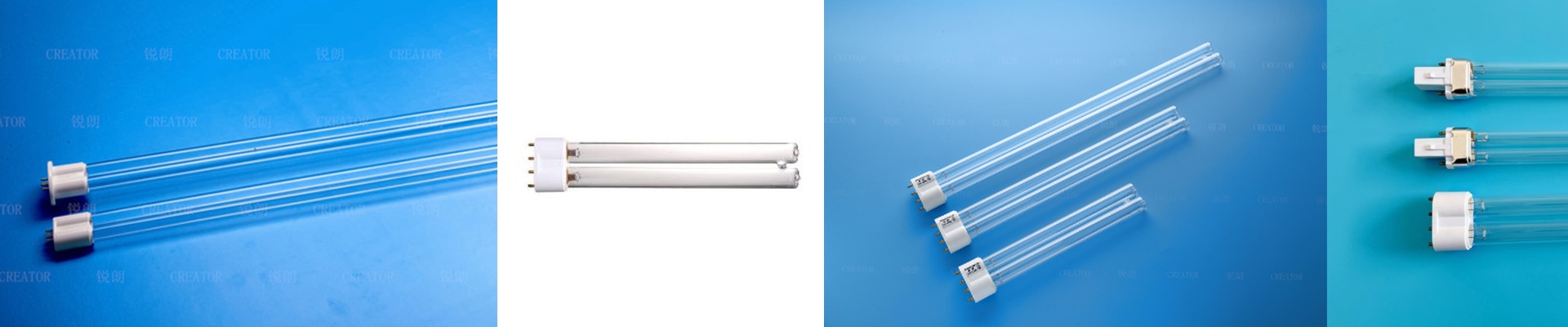
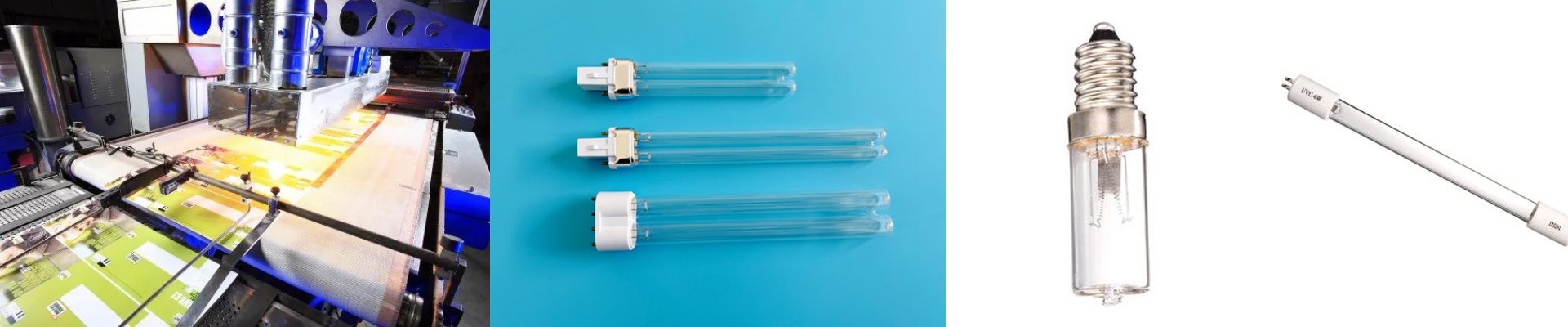
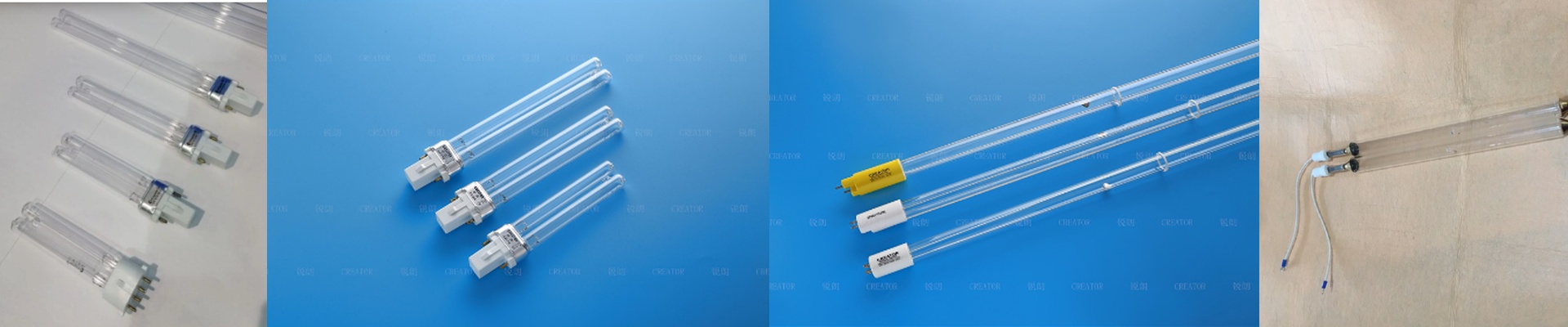
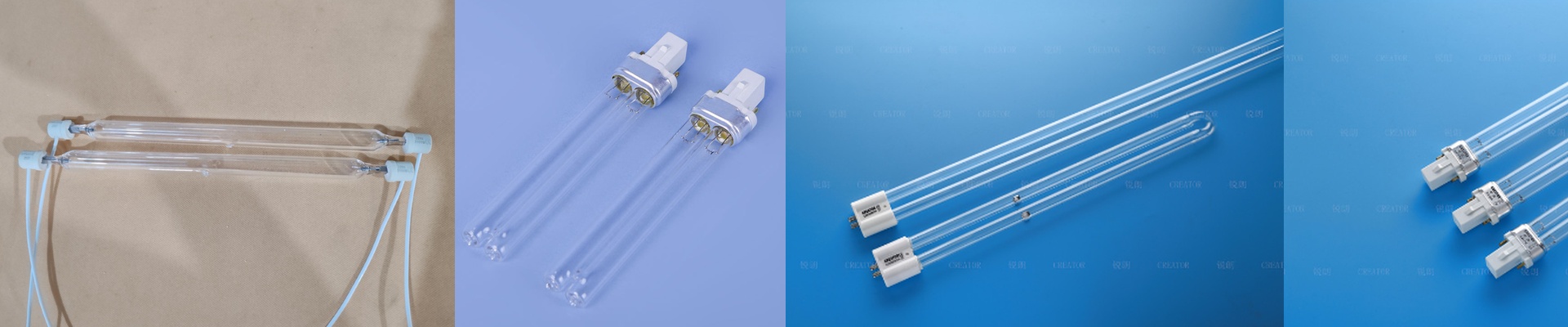
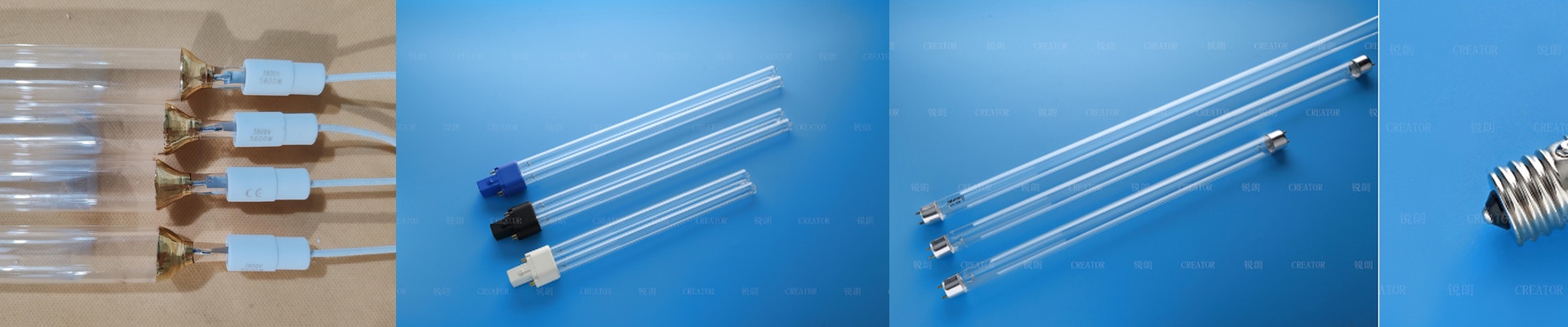
Making UV Tubes That Actually Last (And Don’t Trash the Planet)
Usually, UV curing is a bit of a tug-of-war. You either crank up the intensity to get more product out the door, or you settle for a lamp that lasts longer but doesn’t hit as hard. We’re tired of that trade-off. Our goal is simple: build a tube that stays lit longer, so you spend less time swapping bulbs and throwing hazardous waste into the bin.
The secret to the long haul
Most mercury lamps die for two reasons: the electrodes wear out or the quartz glass just gives up. To fix this, we switched to high-purity synthetic quartz and better alloys for the electrodes. But the real trick is the gas mix inside. We’ve dialed it in to keep the arc discharge steady. No more “hot spots” that crack the glass or kill the lamp way before its time. It just runs smooth.
Cleaning up the shop
“Zero-pollution” sounds like a corporate buzzword, but for us, it’s about the air you breathe. We use filtered quartz and specific coatings to trim the light spectrum. We’re cutting out the wavelengths that create ozone and reducing the amount of mercury we use per watt. The result? The energy goes straight into your ink or coating—not into wasted heat or nasty fumes. Your shop floor stays cleaner, and your team doesn’t have to deal with that sharp, metallic ozone smell.
Putting them to work
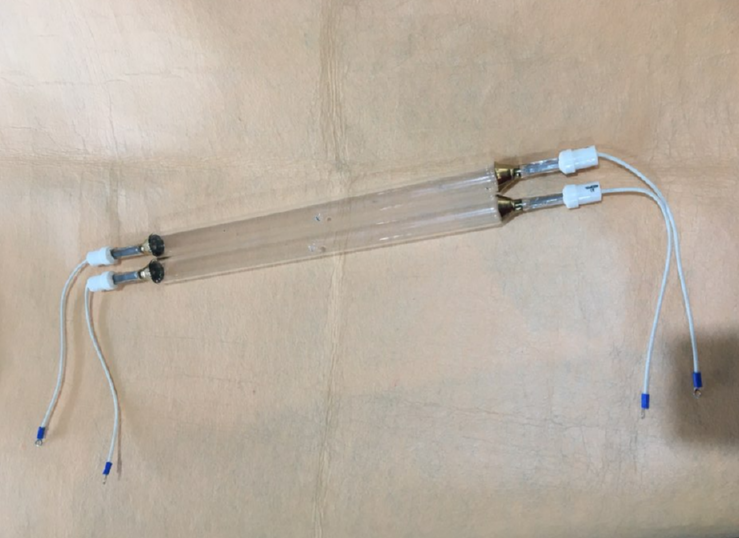
You don’t need to tear apart your line to use these. They’re drop-in replacements. The footprint is the same, so you can slide them into your existing arrays without messing with your reflectors or rewiring your ballasts. One quick heads-up, though. Because these tubes are built for the long game, they handle heat differently than the short-burn, high-intensity ones. You’ll want to make sure your cooling fans are tuned to the actual wattage of the lamp. If your cooling is too weak, the heat will build up and eat away at those lifespan gains we worked so hard to build into the glass. Keep them cool, and they’ll keep running.