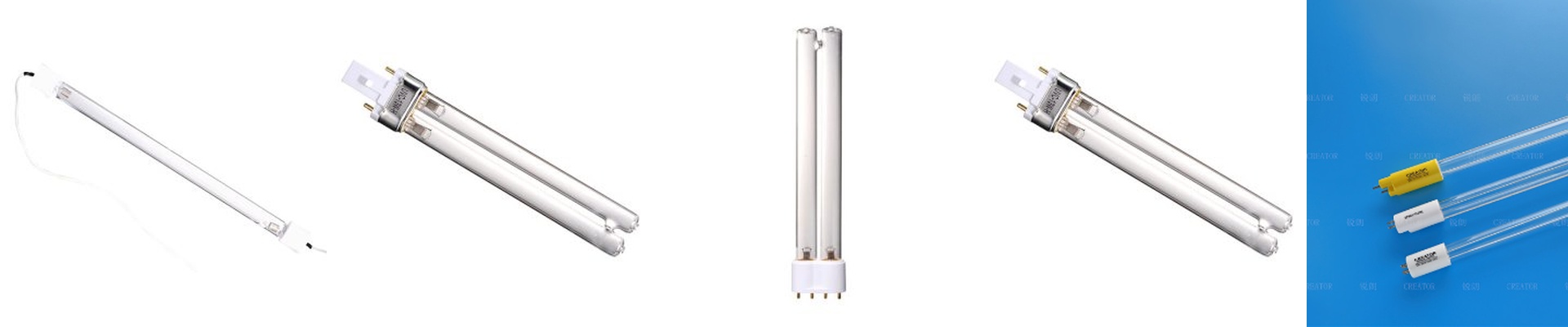
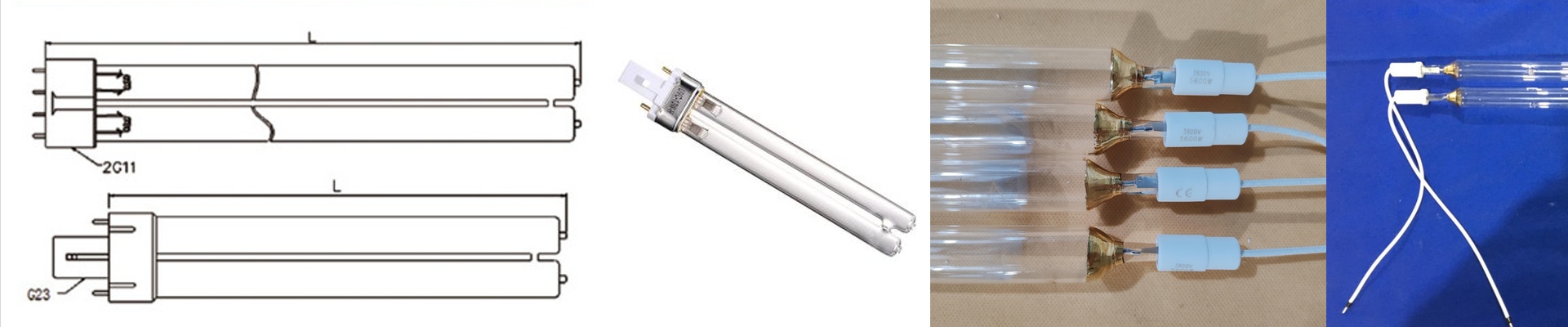

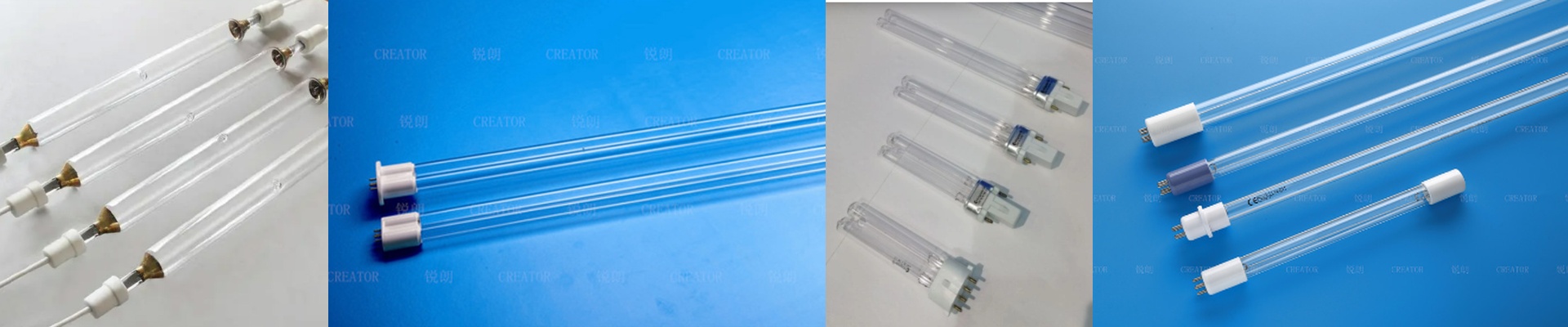
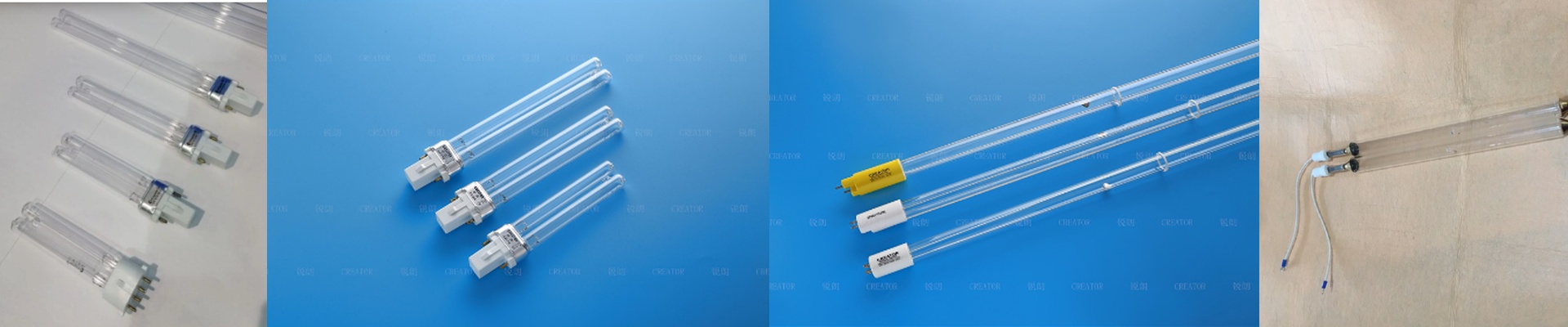
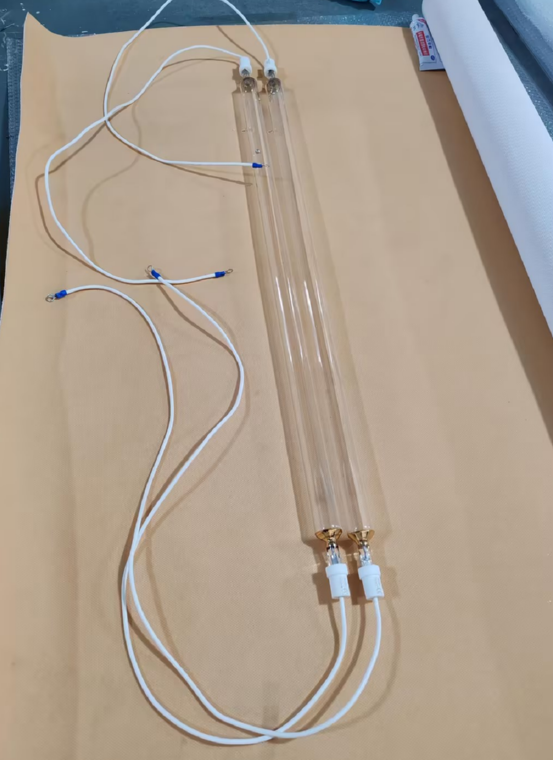
Why we built the 120W/cm Mercury UV Lamp
We’ve spent a lot of time on the road. After visiting about 3,000 different printing plants, we started seeing the same headache over and over: lamps that just couldn’t keep up with the pace of modern high-speed presses. They’d give out right when you needed them most. That’s why we landed on 120W/cm. It’s the sweet spot. It gives you the punch you need to get the job done without cooking your materials. The logic behind the power 120W/cm isn’t just a random number we picked out of a hat. It’s about balance. You need enough UV intensity to snap those inks into place instantly, but you don’t want to scorch your paper or plastic. It’s a bit of a tightrope walk. If you crank the wattage too high, you’re just killing your bulbs faster. Go too low, and you have to slow down your entire conveyor belt, which kills your productivity. You want that ink fully cured the second it hits the stacker. Simple as that. What’s actually inside We use high-purity fused quartz for the outer shell. We do this so the short-wave UV radiation can get out without getting trapped or absorbed. Inside, the mercury vapor is tuned to hit exactly the right wavelengths. Here’s the thing: we’ve seen way too many “universal” lamps fail because the electrodes weren’t built for the constant stop-and-start of a real workday. We fixed that by using reinforced end-caps to stop leaks before they start. Most of the time, these are just drop-in replacements. Just double-check that your ballast can handle them before you swap them out. The trade-off (and how to handle it) High power means heat. Lots of it. Along with the UV, a 120W/cm lamp puts out a ton of infrared radiation. If your cooling system—whether it’s air or water—isn’t up to the task, you’re going to have problems. We’re talking wrinkled ink or warped substrates. Check your fans for dust. Make sure your chiller is actually doing its job. These lamps are built to take a beating in a loud, messy factory, but they aren’t magic. Give them a clean environment and steady power, and they’ll last.