
Getting Your Curing Right: The Truth About Industrial Mercury UV Bulbs
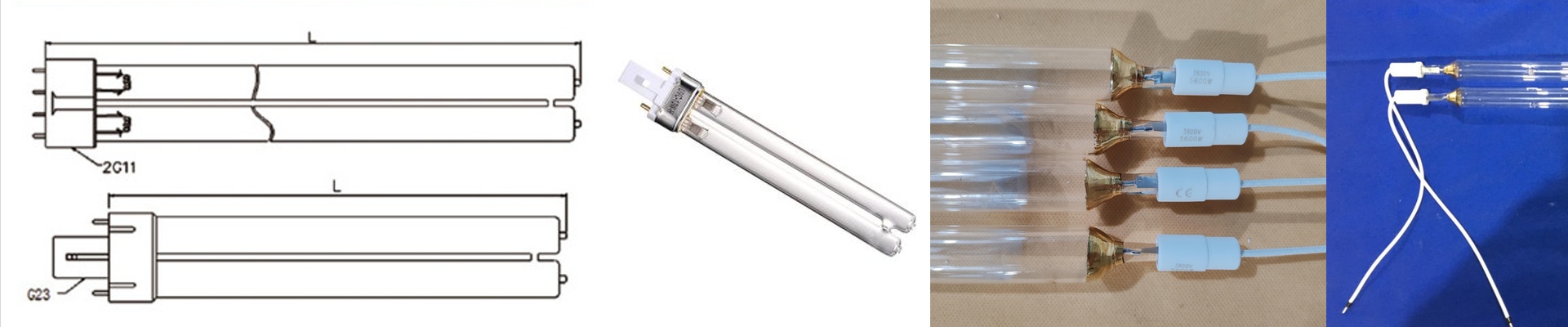
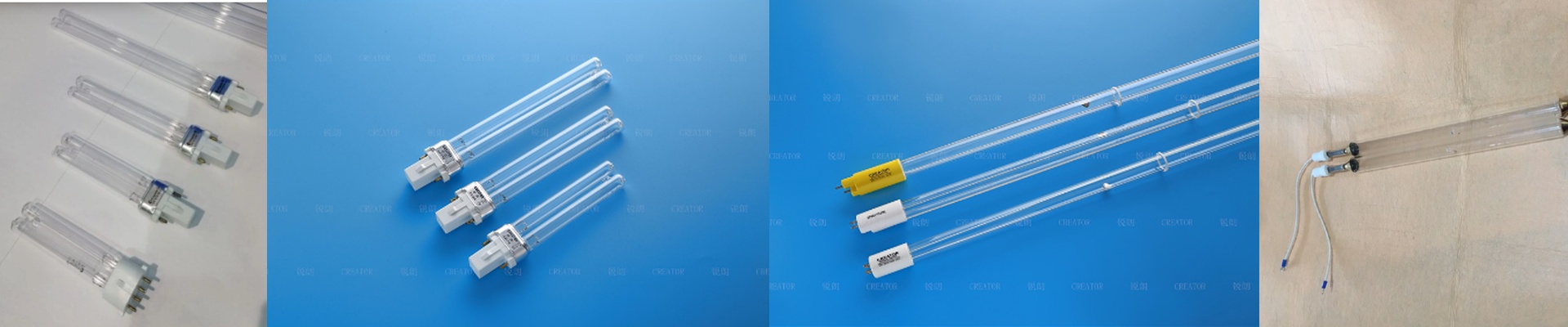
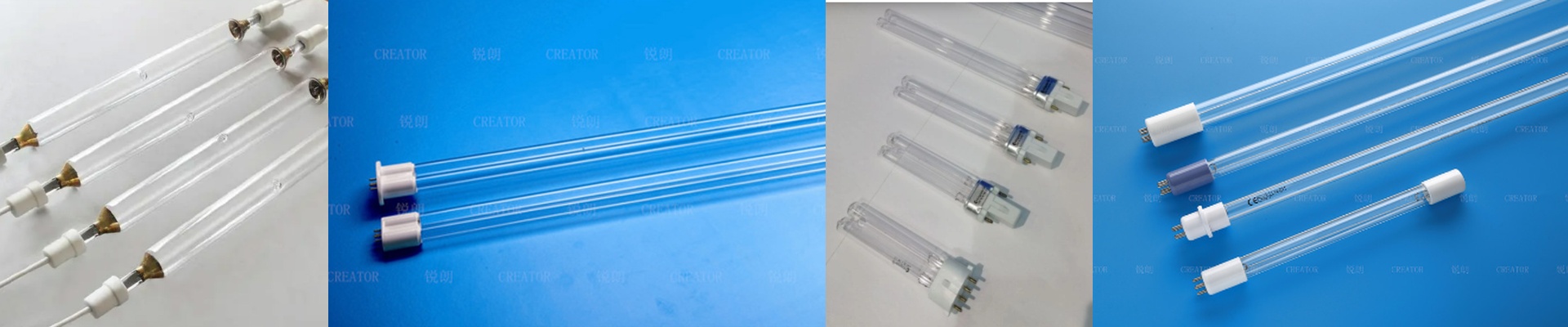
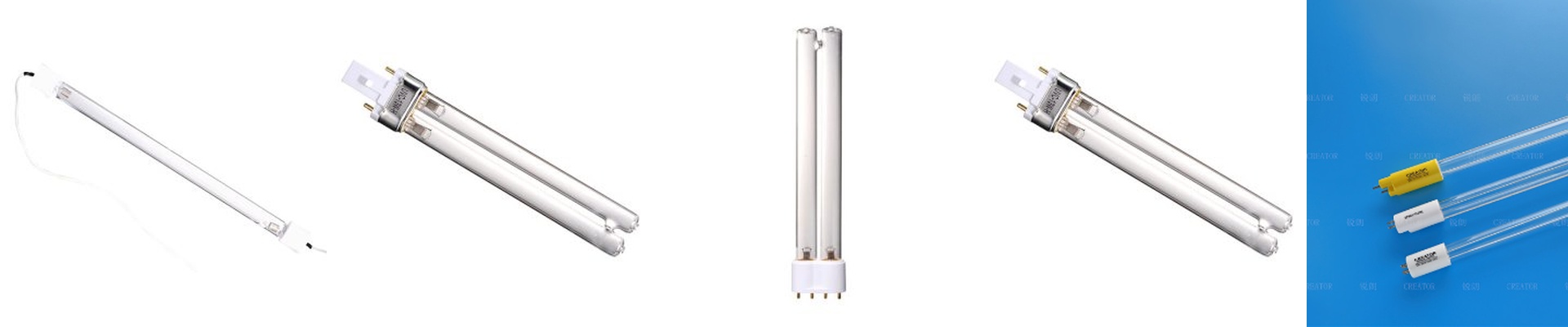
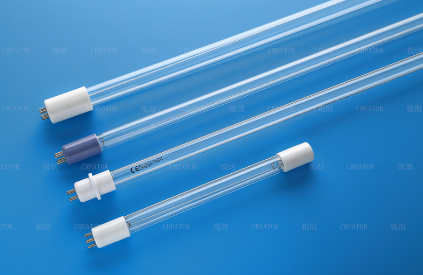
If you’re working with photopolymerization, you know the drill. You need that short-wave radiation to hit the resin just right so your coatings actually set. We build our mercury UV lamps to nail that sweet spot—specifically between 254nm and 365nm—so your product cures all the way through, not just on the surface. The balancing act: Power vs. Heat Here’s the thing about wattage. Sure, if you go for a high-wattage tube, your line speeds jump and you get a deeper cure. It feels great to move more product faster. But there’s a catch. More power means more heat. If your conveyor is dragging or your cooling fans aren’t pulling their weight, you’re going to have problems. We’re talking warped substrates or burnt edges on your coating. It’s a trade-off you have to manage carefully. Why the glass and electrodes actually matter You’ve probably seen bulbs that get cloudy over time. That’s “solarization,” and it’s a nightmare because the UV light gets trapped in the glass instead of hitting your part. To stop that, we use high-purity fused quartz. It stays clear. We also put a lot of work into the electrodes. We make them resist sputtering so you don’t get that annoying metal film coating the inside of the bulb. This keeps your light output steady from day one until the bulb finally retires. No more fighting with sockets Changing bulbs shouldn’t be a chore. We’ve made ours drop-in replacements for the big brand systems. We obsess over the tolerances of the pins and end-caps because nobody wants to wrestle with a socket during a quick changeover. Just make sure they’re seated perfectly. If the connection is loose, you’ll get an arc. That’s a fast track to burning out the lamp end or frying your ballast. We’re confident these tubes can hang with the best in the business. If the surface hardness or cross-linking doesn’t match the top-tier brands—at our price point—we’ll just give you your money back. Simple as that.