
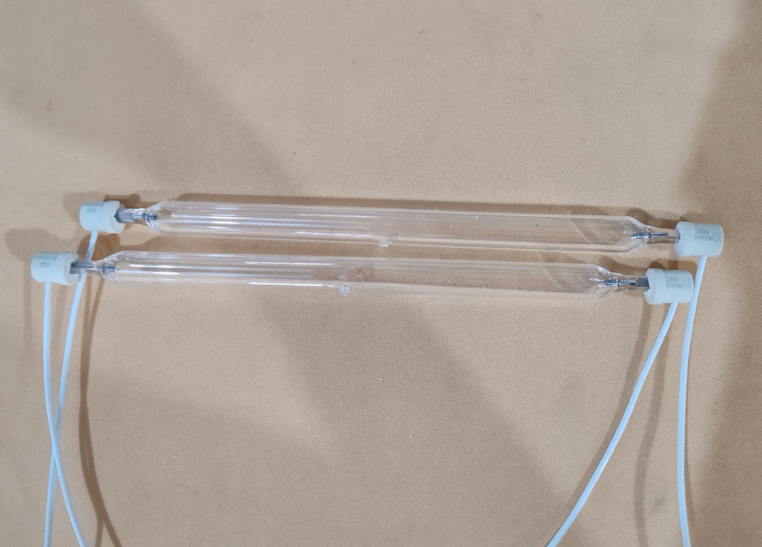
Stop Guessing With Your UV Lamps
By 2026, the way we handle UV lamps is going to look a lot different. We’re moving past the days of just buying a bulb, screwing it in, and hoping for the best. The “install and forget” mindset is dead. The new way of doing things? Putting the brains directly into the lamp’s ballast and housing so you can actually see what’s happening in real-time.
No More “Blind” Operation
Here’s the problem: UV lamps fade. They don’t just snap off one day; they slowly lose their punch. Usually, you don’t even realize a bulb has dipped below the required threshold until a quality check fails and you’ve got a pile of wasted product on your hands. That’s a nightmare. We’re fixing that by embedding sensors that keep an eye on power draw and spectral output. Now, you can see exactly when a lamp is hitting its limit. No more manual sampling. No more guessing.
The Nitty-Gritty Hardware
Now, you can’t just glue a Wi-Fi chip to a quartz tube and call it “smart.” It doesn’t work like that. We’ve built the monitoring logic right into the electronic ballast. It tracks the voltage swings and current spikes for you. But a word of caution: if you’re running high-wattage systems for rapid curing or sterilization, things get hot. Really hot. If the heat builds up, your sensors can drift and give you wonky data. You’ll want to make sure your cooling fans or heat sinks are up to the task to keep those boards happy.
Cutting the Waste
I’ve seen plenty of plants that just over-run their UV arrays. They crank up the power to make up for aging bulbs, which is a double whammy: you’re burning through electricity and killing the life of your remaining lamps. With remote monitoring, you can just dim the output or swap a bulb only when the data tells you the UVC intensity has actually dropped. It’s a drop-in replacement that talks directly to your PLC. It takes the guesswork out of your maintenance schedule. Instead of replacing lamps because the calendar says it’s Tuesday, you replace them because they’re actually worn out. It’s just simpler.