
Getting the Wavelength Right: The Secret to UV That Actually Works
When people think about UV sterilization or curing, they usually think about raw power. They think “the brighter the light, the better the result.” But that’s not how this works. It’s all about precision. In the lab, we spend our time obsessing over the emission peak. We’re trying to hit very specific molecular bonds. If your wavelength drifts by just a few nanometers, you’re basically wasting your time. You won’t break the DNA strands in those microbes, and your resins just won’t set.
The Nitty-Gritty of Physics
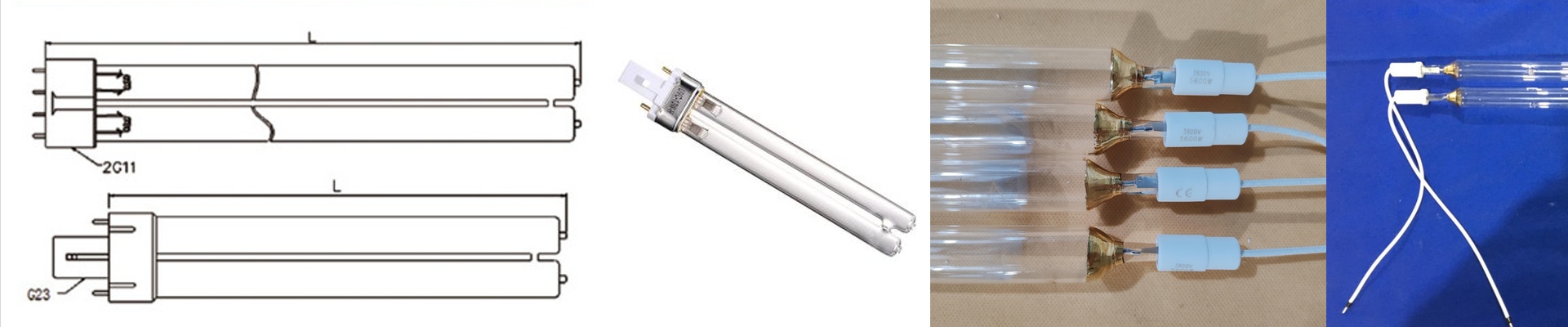
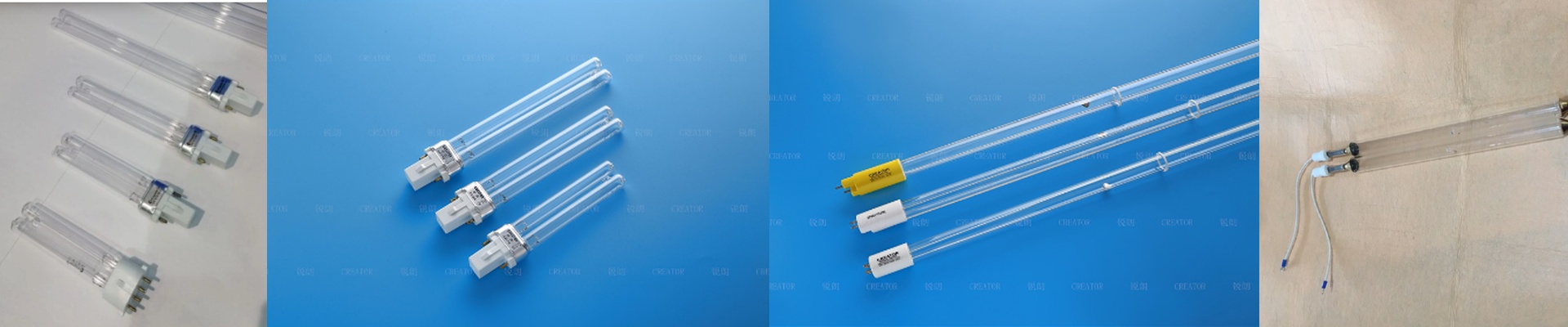
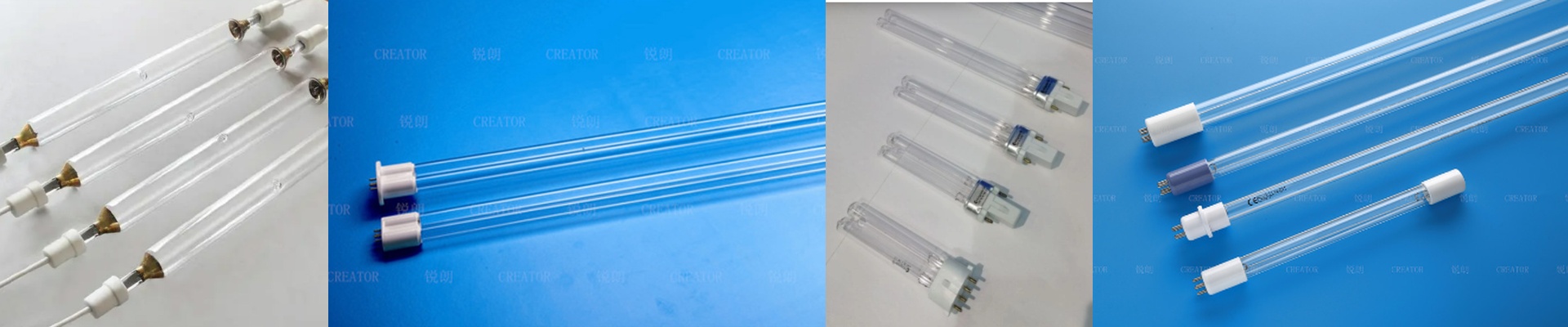
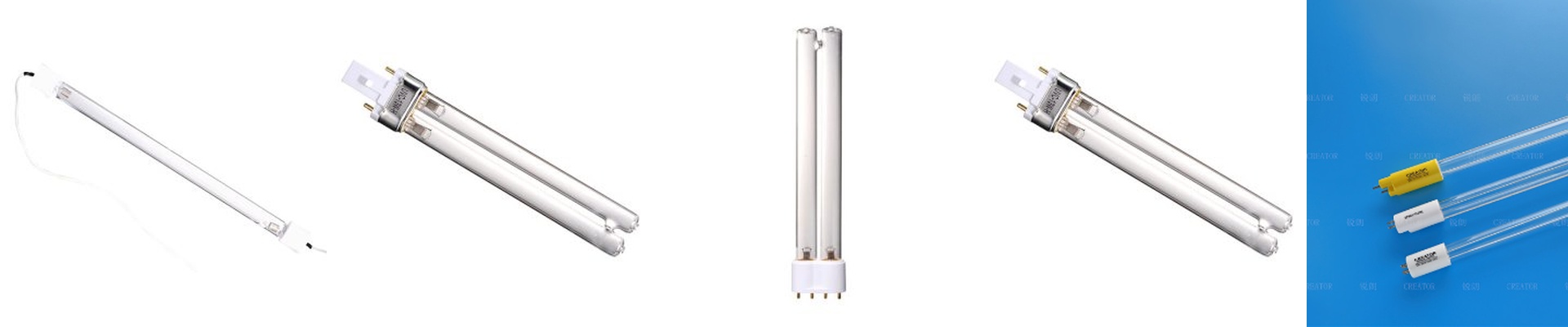
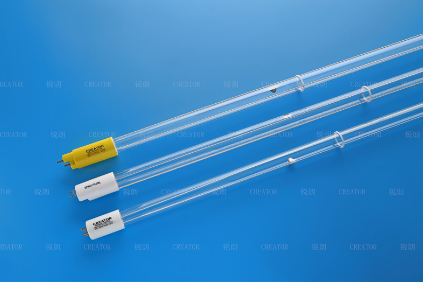
For killing germs, we aim for that 254nm sweet spot. That’s where proteins really soak up the energy. If we’re curing a coating, we shift things over to the UVA or UVB range, depending on how thick the layer is. One thing to watch out for? The glass. Standard glass is a killer—it blocks the UV output entirely. That’s why we use high-purity synthetic quartz envelopes. It lets the light fly straight through without getting stopped at the door. We also keep a very close eye on the electrodes to make sure the arc stays stable. If that arc starts jumping around, your spectrum shifts. Suddenly, your curing times are all over the place. We fix this by being incredibly picky about the gas fill and the internal pressure.
Where Most People Mess Up
Here is where things usually go sideways: matching the lamp to the power supply. High-wattage UV lamps put out a ton of heat. You can’t just plug these into a wall socket and hope for the best. You need a ballast that can handle the strike voltage, otherwise, you’ll fry the lamp ends before you even get started. We also use reinforced end-caps. It sounds like a small detail, but if that vacuum seal fails, your lamp is toast in a matter of hours. And a heads-up: give your lamps a “burn-in” period. They don’t hit full strength the second you flip the switch.
Making it Work in the Real World
Once you’re wiring these into a conveyor or a chamber, remember that distance matters way more than wattage. UV intensity drops off fast. Really fast. Instead of just cranking up the power, try mapping the irradiance across your whole work surface. If you find some “cold spots,” you probably don’t need a bigger lamp. You just need to space them out better.