
The Balancing Act: Making Industrial UV Lamps That Actually Last
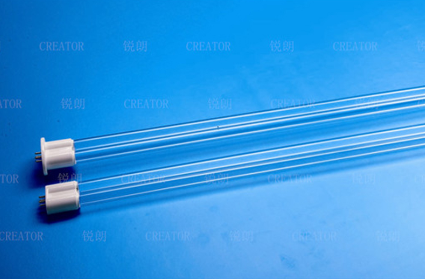
Mercury UV bulbs are the unsung heroes of the factory floor. They do the heavy lifting for curing and sterilization, but if they aren’t built right, they’re a nightmare to manage. We’ve spent 15 years messing around with chemistry and quartz density. We didn’t want to just be another OEM shop pumping out generic tubes; we wanted our lamps to stand toe-to-toe with the biggest names in the world.
The Science (Without the Boring Part)
Depending on what you’re doing, you need a specific kind of light. Maybe it’s 254nm to kill germs, or a wider spectrum to dry resins. We nail this by tweaking the mercury pressure and the quartz mix. Here’s the catch: high-wattage tubes gethot. Like, really hot. If the quartz isn’t pure, the glass starts to degrade. You’ll notice the UV output tanking long before the filament actually gives out. That’s why we use high-silica quartz. It stops that “solarization” effect, keeping the light strong for longer.
Heat, Voltage, and the Trade-off
When you’re picking a system, you’re basically balancing heat and power. High-voltage lamps are great because they save space while still hitting the target. But there’s a price. That extra intensity puts a lot of stress on your ballasts and fans. If your cooling isn’t up to the task, your lamps are going to die early. It’s as simple as that. We also spent a lot of time on the electrodes. We wanted a stable arc start so you don’t get that annoying flicker you see with the cheap, wholesale bulbs. It just makes the whole operation feel more solid.
No More Fiddling with Fit
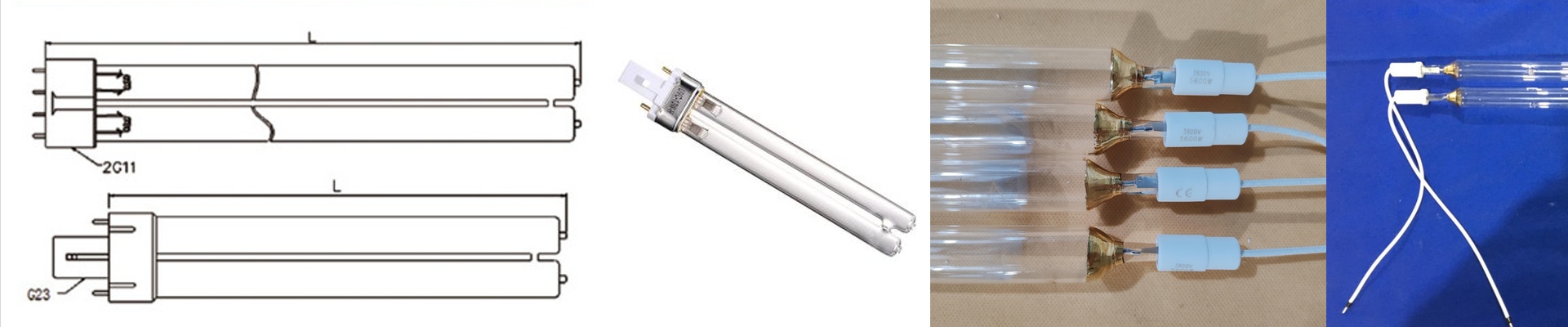
There is nothing worse than a “replacement” bulb that doesn’t actually fit. Whether you’re running a PET blowing line or a massive conveyor, the measurements have to be spot on. If there’s even a millimeter of wiggle room in the socket, you risk arcing. We tightened the tolerances on our end-caps so they snap in and wire up securely every single time. No custom adapters, no hacking things together, and way less downtime when it’s time to swap a bulb. It just works.